Innovations in Testing Autonomous Vehicles: The NavioSim Simulator
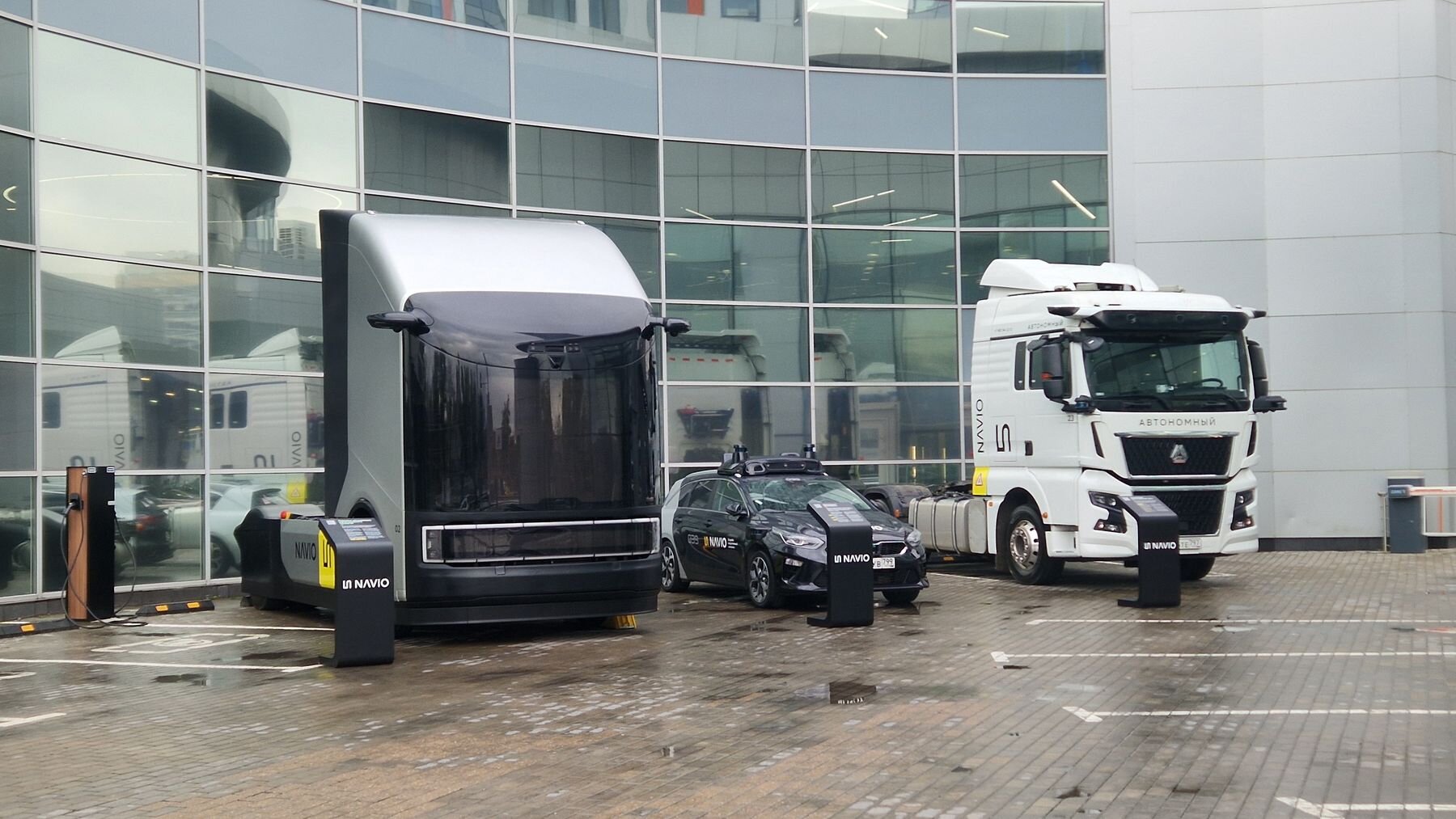
As discussions regarding the legal status of autonomous transport in Russia continue, advancements in this field are gaining momentum. Recently, commercial operation of unmanned trucks has commenced on the M-11 highway, and taxi testing by Navio, now rebranded, is also underway. The company has launched its new product, the NavioSim photorealistic simulator, aiming to enhance testing methodologies for autonomous vehicles.
The existing architecture of driverless vehicles is composed of several critical components: perception systems, location determination technologies, control systems, and complex software. Developing high-quality algorithms remains a significant challenge, as capturing all possible driving scenarios manually is nearly impossible. This issue, termed Long Tail, is being addressed by integrating generative AI GenAI, which utilizes VLA models to achieve adaptability in real-time.
The NavioSim simulator can realistically recreate a wide array of driving situations in a virtual environment. Its key strengths lie in its high levels of detail and the capacity to generate numerous unique scenarios, enabling testing in various environmental conditions, including temporal and weather variations.
NavioSim provides three testing avenues: SIL for rapid software assessment, HIL for troubleshooting complex systems, and VIL for mimicking scenarios that are unfeasible to replicate in real-world tests. Simulations are developed using actual driving data as well as graphical editor inputs to create synthetic scenarios.
While the pace of technology integration remains uncertain, such innovations are poised to influence the adoption rate of autonomous vehicles significantly. Concurrently, hardware advancements are also in focus, as evidenced by the demonstration of camera cleaning systems that could greatly enhance the operational efficiency of unmanned cars.